

Balance Tracking in Stake Mines: A Practical Guide for Indian Players
Getting Started with Online Casinos 2026 Beginner’s Guide
4 noviembre, 2026Beste inntrykk av Folkeriket spilleautomater: en norsk spillopplevelse vurdert
4 noviembre, 2026Balance Tracking in Stake Mines: A Practical Guide for Indian Players
Stake Mines is a fast-paced casino game in which each round asks you to choose how many mines to place on a grid‚ select tiles‚ and decide when to cash out. Because every selection can change the potential payout—and one mine ends the round—keeping track of your balance is as important as understanding the game. A clear record helps Indian players distinguish a short run of luck from a sustainable plan‚ set limits‚ and avoid chasing losses.
This guide focuses on balance tracking in Stake Mines: what to record‚ how the game’s risk mechanics affect your bankroll‚ and which checks to make before playing. Mines is a gambling game‚ not a way to earn dependable income. Outcomes are uncertain‚ and no tracking method can predict which tile hides a mine.
What balance tracking means in Mines
Your balance is the amount of money available in your casino account. Balance tracking means monitoring how each wager and result changes that amount‚ rather than judging a session only by its most exciting moment. A round may show a tempting potential payout‚ but that figure is not money you have won until you cash out and the result is credited.
At the start of a session‚ note your available balance and decide how much you are prepared to risk. That planned amount is your session budget—not an obligation to keep playing until it is gone. After each round‚ record the stake‚ mine count‚ number of safe tiles opened‚ result‚ and updated balance. If the game’s history displays round details‚ it can help you verify your notes‚ but it does not replace them;
A simple tracking example
Suppose you begin with ₹2‚000 in playable funds and set a session limit of ₹500. You place a ₹20 wager and lose; your remaining session budget is ₹480. A later ₹20 wager pays back ₹36 in total‚ including the stake. The net result of that round is therefore ₹16‚ and your budget rises to ₹496. Tracking net results this way makes it easier to see whether you are ahead or behind without confusing a returned stake with profit.
The numbers are only an illustration‚ not a recommended stake or expected result. Use the currency and limits shown in your own account‚ and never treat a displayed multiplier as a promise.
How mine count changes the risk
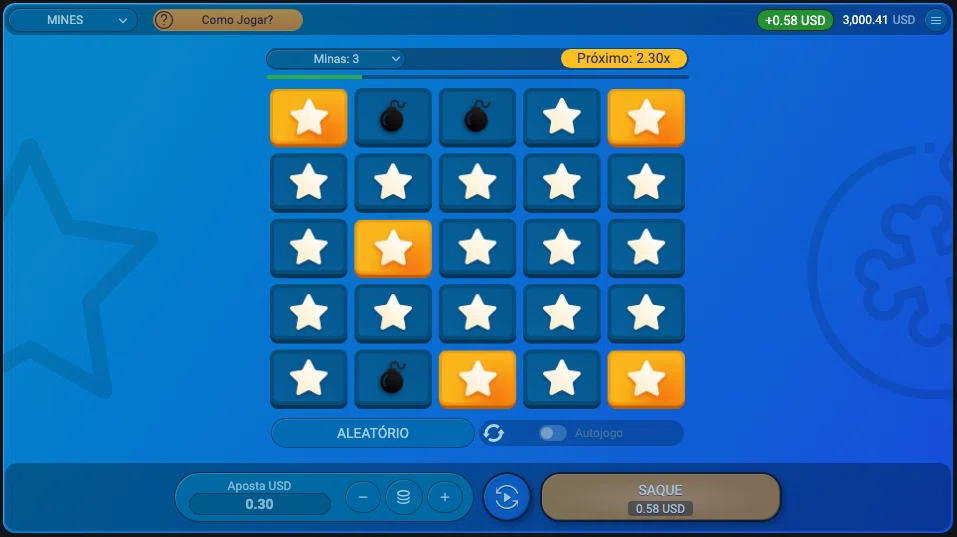
In a standard Mines layout‚ the player chooses a number of mines‚ then opens tiles. Each tile selected without hitting a mine increases the potential multiplier. The more mines on the grid‚ the greater the chance of hitting one on any given pick. Choosing fewer mines generally makes each safe pick less risky‚ while the potential multiplier grows more gradually. Choosing more mines can make multipliers rise faster‚ but the chance of losing the round also increases.
These are probabilities‚ not guarantees. A sequence of safe tiles does not make the next tile “due” to be safe‚ and a previous loss does not improve the odds of winning the next round. Each selection should be treated as a new uncertain event under the game’s rules. Check the displayed paytable and rules for the exact grid‚ multipliers‚ and payout calculation in the version you are using.
Cash out before the risk changes
After one or more safe picks‚ you may be able to cash out and lock in the displayed return. Continuing can increase the potential payout‚ but exposes the round to another chance of hitting a mine. A useful tracking habit is to decide your cash-out conditions before opening tiles. For example‚ you might choose a fixed number of safe picks or a predetermined target return‚ then stop the round if that point is reached. This is a personal limit‚ not a strategy that guarantees profit.
Also distinguish the amount returned from the amount gained. If a ₹50 stake is cashed out for ₹75 total‚ the net gain is ₹25. Writing down the net result avoids overstating progress and makes session totals easier to check.
A practical balance-tracking routine
- Set a session budget: Choose an amount you can afford to lose without affecting bills‚ savings‚ or other commitments.
- Set a time limit: Decide when the session ends‚ even if you are ahead or feel close to a win.
- Use a consistent record: Note the starting balance‚ each stake‚ round result‚ and ending balance.
- Check the net total: Add gains and losses rather than counting only successful cash-outs.
- Stop at your limit: Do not deposit more or raise stakes to recover losses.
A basic log can be kept in a spreadsheet or notebook. Useful columns include time‚ starting balance‚ wager‚ number of mines‚ tiles opened‚ cash-out or loss‚ net result‚ and ending balance. Avoid recording passwords‚ payment details‚ or other sensitive information. If you play several casino games‚ record Mines separately so you can see how much of your overall activity it accounts for.
Keep the session budget separate from money intended for everyday needs. A budget is a maximum loss limit‚ not a target to spend. If you reach it early‚ stop. If you finish ahead‚ withdrawing some or all of the available balance may help prevent a win from becoming an excuse to continue indefinitely.
Mobile play for Indian users
Players may prefer a phone for short sessions and quick access to the game. Before playing‚ check that the casino page loads through an official channel‚ the displayed balance matches your account‚ and the controls are clear on your screen. For mobile play for tiles game by Spribe‚ make sure you can see the mine count‚ stake‚ potential return‚ and cash-out control before confirming a round. Never place a wager just because a button is easy to tap.
On a small screen‚ accidental taps can be harder to notice. Pause between rounds‚ verify the stake‚ and avoid playing while distracted or using an unstable connection. If a round appears interrupted‚ check the game history and account balance before trying again; placing a second wager immediately could create confusion. Follow the provider’s and casino’s instructions for resolving a disputed or incomplete round.
Choosing a casino and checking account terms
Before depositing‚ Indian players should investigate whether access to the casino is lawful for them and whether the operator accepts players from their state. Gambling rules can vary across India and may change‚ so check current local requirements and seek qualified advice if you are uncertain. The casino’s availability online does not by itself establish that playing is permitted in your location.
Review the operator’s terms‚ withdrawal rules‚ identity-verification requirements‚ payment methods‚ and support options. Confirm the name of the company operating the site and look for clear information about its licensing and complaint process. Be cautious if terms are vague‚ if support cannot explain how balances are settled‚ or if the site pressures you to deposit. Do not rely on an advertisement or a bonus banner as proof that a casino is trustworthy.
Keep deposits and withdrawals in view
Balance tracking is not complete if it covers only in-game rounds. Record deposits and withdrawals separately‚ including applicable conversion or payment fees. A casino balance may be displayed in a currency different from your bank or payment account‚ so check the exchange rate and any charges before confirming a transaction. A bonus balance may also have separate restrictions or wagering requirements; read those conditions before accepting it.
Never share a one-time password‚ card PIN‚ or account password with anyone claiming to help you. Use secure access‚ sign out on shared devices‚ and contact official support through the casino’s verified channels if a transaction or balance looks incorrect.
Common mistakes that distort a balance
- Chasing losses: Increasing stakes after a losing round increases exposure and does not change the next round’s odds.
- Counting a potential payout as a win: A multiplier shown before cash-out is not a settled return.
- Ignoring total deposits: The account balance alone may not show how much money has been added during a longer period.
- Changing limits mid-session: Raising the budget after reaching it makes the original limit meaningless.
- Assuming a pattern exists: Past safe picks and mine hits do not reveal where mines are located in a new round.
If you notice that you are hiding play‚ borrowing to gamble‚ feeling unable to stop‚ or becoming distressed by losses‚ pause and seek support. Use any available account limits‚ time-outs‚ or self-exclusion tools. Gambling should remain optional entertainment; if it stops feeling that way‚ stepping away is the safer choice.
Frequently asked questions
Does balance tracking improve the odds in Stake Mines?
No. A log can improve awareness of spending and help you follow limits‚ but it does not influence tile outcomes or make future rounds more predictable.
Should I increase my stake after a win?
There is no need to increase a stake after a win. A win does not guarantee another‚ and increasing the wager raises the amount at risk. Keep to the limit you decided before the session.
How often should I check my balance?
Check it before the session‚ after meaningful deposits or withdrawals‚ and at the end of play. You can also update your record after each round if doing so does not distract you from the game’s controls.
What should I do if the balance and game history do not match?
Stop placing wagers and save the relevant round details‚ such as the time‚ stake‚ and game-history entry. Contact the casino through its official support channel and follow its dispute procedure. Do not share login credentials or security codes in an attempt to resolve the issue.
Final perspective
Stake Mines combines simple tile selection with decisions about risk and cash-out timing‚ but its quick pace can make money harder to track. A session budget‚ a record of net results‚ and firm stopping rules provide a clearer picture of what you have spent and what remains. They cannot remove the uncertainty of gambling or guarantee a winning session. For Indian players‚ the responsible approach is to check local rules and casino terms‚ protect personal information‚ and play only with money that can be lost without harm;